

While America Celebrates Hispanic Heritage Month, Millions of Latino Families in Texas Cannot Afford to See a Doctor

Benivita

Benivita Not Insurance. Benefits for Everyday Life
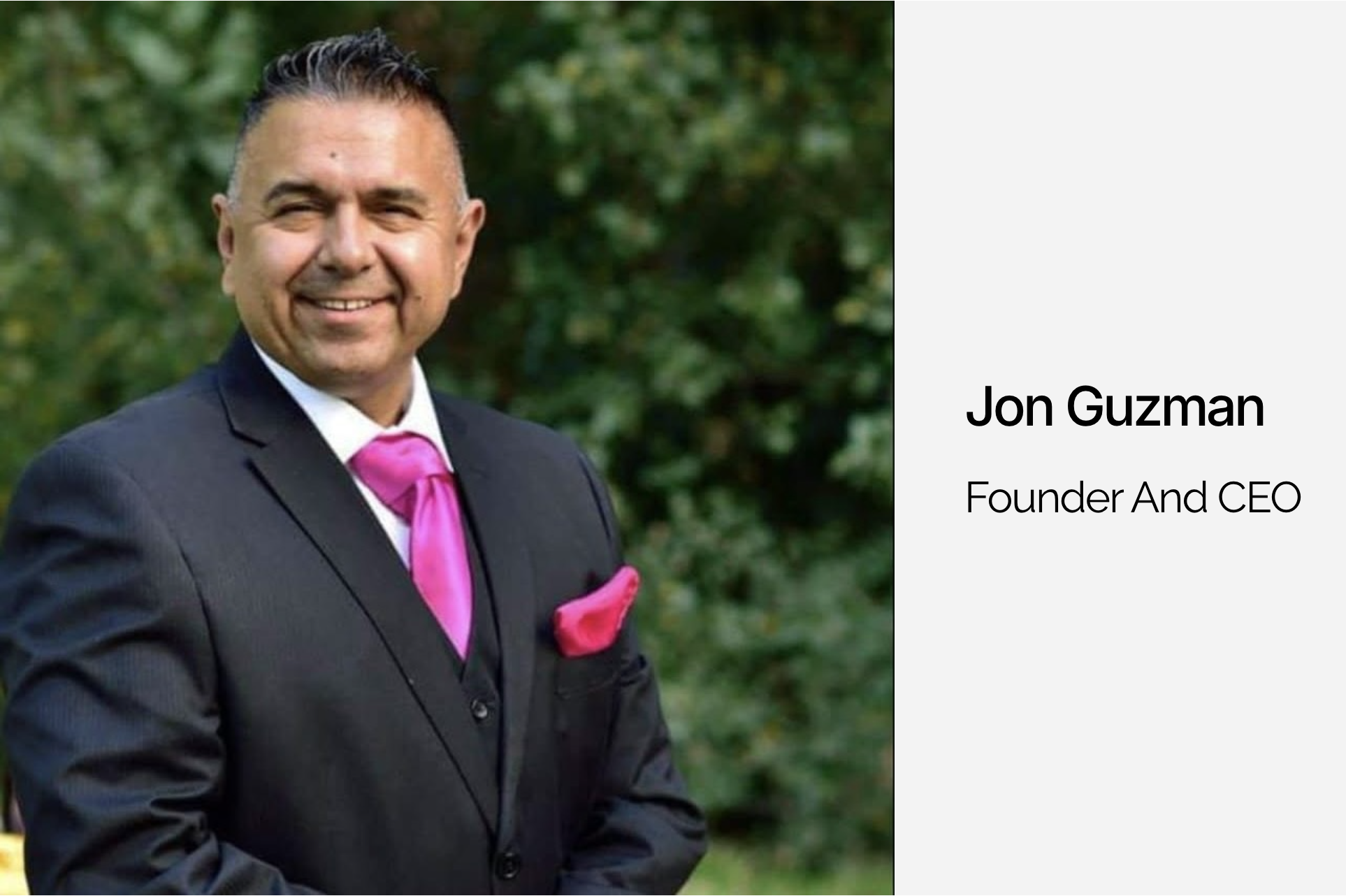
Jon Guzman, Founder & CEO Benivita
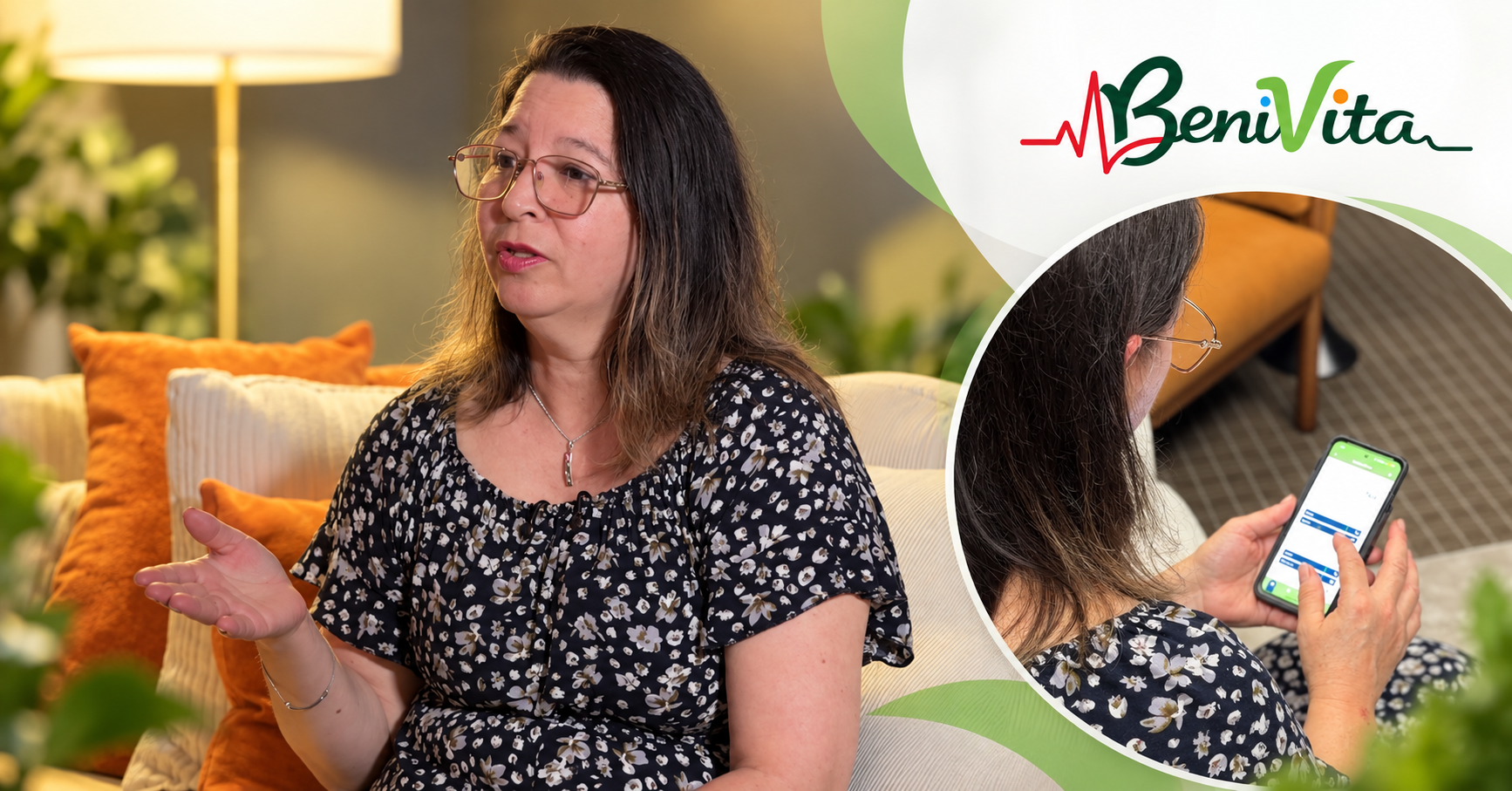
Yesenia Arroliga

Benivita Español
TX has the nation's highest uninsured rate. 1 in 3 Hispanic working-age adults has no access to healthcare. The solution came not from the insurance system
Her story is not unusual. It is the story of an entire community.
As the United States marks Hispanic Heritage Month, new federal data reveals the scale of a healthcare crisis that has been building for decades and is getting worse.
According to the Centers for Disease Control and Prevention, nearly 1 in 4 Hispanic adults in the United States — 24.6 percent — has no health insurance. That is the highest uninsured rate of any racial or ethnic group in the country, more than double the rate of white adults. In Texas, the numbers are even harder to look at: 27 percent of Hispanic Texans are uninsured. Among Latino working-age adults between 19 and 64, the rate climbs to 31 percent, more than three times the rate of their white counterparts in the same state.
Texas holds the worst uninsured rate of any state in the nation. And two-thirds of the state's 1.1 million uninsured children are Latino.
"I DIDN'T GO TO THE DOCTOR BECAUSE I COULDN'T AFFORD TO"
The reasons Latino families go without care are not a mystery. Cost is the biggest barrier, followed by language, fear, and a system not built for this community. An urgent care visit without insurance typically runs between $150 and $300. An emergency room visit can cost more than $1,000. For a family living paycheck to paycheck, which describes a significant share of uninsured Latino households, those are not medical bills. They are catastrophes.
The result is a community that delays care until small problems become serious ones. Colds that become pneumonia. Blood pressure that goes unmanaged until a stroke. Diabetes diagnosed years after symptoms began. Preventable conditions that become lifelong burdens or worse because the door to care never opened.
Yesenia Arroliga, a Houston resident, lived that reality. Today, after finding an alternative to the traditional insurance system, she has access to a bilingual doctor from her phone, at any hour, without a waiting room, and without a bill that follows her home.
A CRISIS HIDING IN PLAIN SIGHT
The numbers behind Arroliga's experience reflect a systemic failure that the mainstream press largely leaves uncovered. While national headlines focus on healthcare policy debates, 84 million Americans remain uninsured or underinsured, and Latino, Black, and rural communities absorb the worst of it. Health insurance premiums have outpaced wages by more than 300 percent since 1999. The average family insurance plan now costs over $24,000 a year, a figure that is simply out of reach for the majority of uninsured Latino families in Texas.
Jon Guzman, who founded Benivita Inc. — a bilingual telehealth membership service that Arroliga now uses says what he sees every day confirms what the data has long shown.
"The Hispanic community is the backbone of this country, and for too long it has carried the weight of a healthcare system that was not built for them. These are not people who do not want to take care of themselves. These are people who get up at five in the morning to go to work, who are raising families, who are contributing to this country every single day, and when they get sick, the system tells them they are on their own. That is not acceptable."
— Jon Guzman, Founder & CEO, Benivita Inc.
Benivita offers members access to bilingual physicians by video call 24 hours a day, seven days a week, along with prescriptions, primary care, mental health support, and additional health benefits for less than $100 a month per family. It is not insurance. It is a membership model that bypasses the insurance system entirely. For families like Arroliga's, it has meant the difference between having a doctor and not having one. Everyone can access this service regardless of legal status in the United States.
"Unlike traditional health insurance or government assistance programs, Benivita requires no documentation, no Social Security number, and no proof of immigration status. It is a membership open to anyone living in the United States — regardless of where they were born, how they arrived, or what documents they carry. For the millions of undocumented immigrants and mixed-status families across Texas and the country who have long believed that healthcare simply was not available to them, Benivita removes that barrier entirely. The only requirement is a phone and a membership. Nothing else."
- Jon Guzman, Founder & CEO, Benivita Inc.
WHO:
Benivita representative Santiago Esparza is available to Spanish-language media outlets to explain the service in detail, in person, virtually, or by phone.
For English-language stations, Founder and CEO Jon Guzman is available for an interview.
ABOUT BENIVITA
Benivita Inc. is a bilingual telehealth membership company offering non-insurance healthcare benefits to individuals and families across the United States. Services include 24/7 virtual urgent care, primary care, mental health support, prescription access, dental discounts, and vision benefits, all for one monthly membership fee with no copays or deductibles. All services are available in English and Spanish. Benivita is not health insurance.
Andrea Gomez
Andrea Gomez Communication LLC
+1 832-858-5850
andrea@andreagomez.tv
Visit us on social media:
Instagram
YouTube
TikTok
X
Benivita
Legal Disclaimer:
EIN Presswire provides this news content "as is" without warranty of any kind. We do not accept any responsibility or liability for the accuracy, content, images, videos, licenses, completeness, legality, or reliability of the information contained in this article. If you have any complaints or copyright issues related to this article, kindly contact the author above.
